
Design Center vs. Retail Showroom: Why Builders Are Switching to Appointment-Only Selection Models
3-Point Highlight Checklist
- A guided process helps homeowners confidently curate their own home selections
- Structured appointments lead to faster, more confident decision-making
- Builder-focused workflows keep projects aligned with timeline and budget
Choosing flooring and finishes used to mean walking into a retail showroom and hoping everything came together. Today, builders are looking for a more intentional, efficient process. That is why more are turning to appointment-only design centers that guide homeowners through key finish decisions with greater clarity and confidence.
What’s the Difference Between a Design Center and a Retail Showroom?
A retail showroom is built for the general public. It may offer plenty of products, but the experience is often centered around browsing rather than building. That can make it harder to connect individual selections to the overall design, timeline, and goals of a construction project.
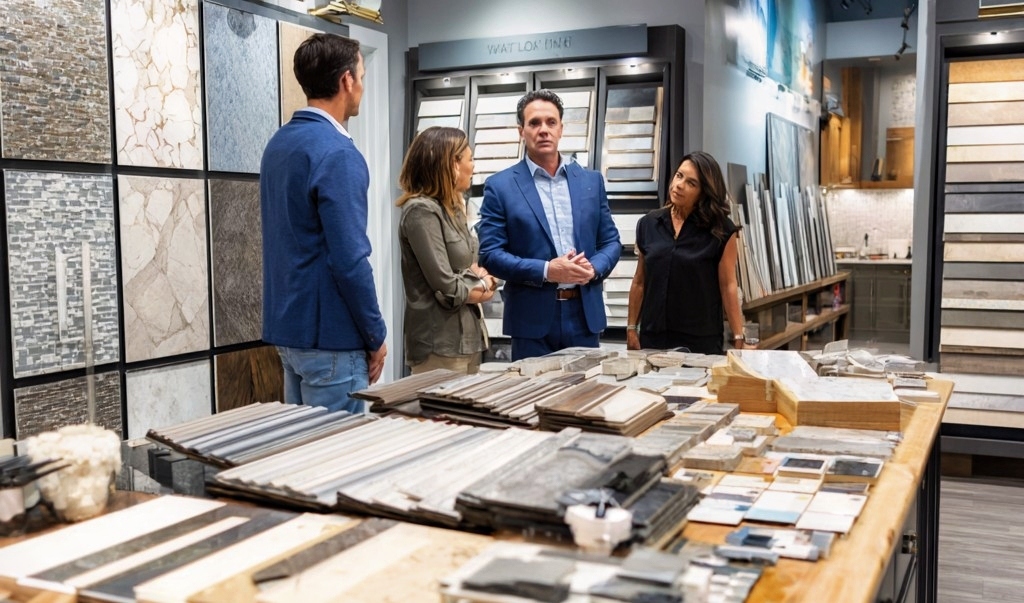
A design center is different. It is built around the builder process and helps homeowners make coordinated selections with expert guidance. Instead of simply presenting products, the design center experience helps clients curate the look and feel of their home in a more thoughtful and organized way.
Schedule a builder-focused design consultation
Why Builders Are Moving Away from Retail Showrooms

Retail environments can slow projects down. Homeowners are often left to sort through too many disconnected choices on their own, which can create uncertainty, second-guessing, and delays. Builders need a smoother path—one that supports the homeowner while keeping the project moving.
What sets an appointment-only design center apart is not just packaging products together. It is guiding the homeowner through a process of curating selections that reflect how they want their finished home to look, feel, and function.
- Too many disconnected choices can create decision fatigue
- Browsing without guidance can make coordination more difficult
- An unstructured process can slow timelines and create rework
- Builder projects benefit from expert support tied to real construction schedules
Talk with our team about simplifying your selection process
The Advantages of an Appointment-Only Design Center
1. A More Guided Selection Process
Rather than leaving homeowners to wander through rows of products, a design center creates a guided experience. The goal is to help each homeowner make selections that fit together and reflect their personal style, while still supporting the builder’s scope, schedule, and budget.
2. Better Coordination Across the Home
Flooring, countertops, cabinets, tile, and other finishes are considered as part of a bigger picture. This leads to a more cohesive result and helps everyone feel more confident in the final design direction.
3. Builder-Aligned Workflow
The appointment-only model is structured around the needs of the build. Selections happen in a defined process, helping avoid unnecessary delays and making it easier to move from decision to installation.
4. Expert Guidance Every Step of the Way
Builders and homeowners both benefit from working with a team that understands design, product coordination, and construction realities. That guidance helps reduce guesswork and turns a potentially overwhelming experience into a productive one.
Explore how a design center improves project flow
What to Expect During a Design Center Appointment
An appointment-only design center creates a focused experience that is designed to help homeowners confidently curate their own home selections without the confusion that often comes with a standard showroom visit.
- Pre-appointment coordination with the builder and project scope
- A guided review of finish categories that matter most for the home
- Expert help comparing materials, styles, and combinations
- Support as the homeowner curates selections that feel cohesive and personal
- Clear documentation that keeps the project aligned with timeline and budget
Book a guided selection session today
Why This Shift Matters More Than Ever
As homeowners place more value on personalization, builders need a process that balances freedom of choice with structure and support. That is exactly where appointment-only design centers shine.
They help homeowners feel involved in shaping the character of their home while helping builders maintain momentum, reduce friction, and deliver a more polished final result.
Frequently Asked Questions
Is a design center more expensive than a retail showroom?
Not necessarily. In many cases, a more guided process helps reduce costly mistakes, delays, and change orders, which can create better value overall.
Do homeowners still get enough choices?
Yes. The goal is not to limit choices. The goal is to help homeowners make better, more coordinated decisions through a process that helps them curate selections for their own home with expert guidance.
How does this help builders?
It keeps the selection process more organized, supports timelines, reduces avoidable delays, and creates a better experience for homeowners.
Can selections still be customized?
Absolutely. In fact, that is one of the strengths of the design center model. It helps homeowners personalize their finishes in a way that feels intentional and cohesive rather than random or overwhelming.
Final Thoughts
The shift from retail showroom browsing to appointment-only design centers is not just about efficiency. It is about creating a better process for everyone involved. Builders gain more structure and consistency, while homeowners receive guidance as they curate the selections that make the home feel like their own.
Get started with a streamlined design center experience
Saddleback Design specializes in flooring and finishes tailored specifically for home builders, offering a unique design center that is not accessible to the general public.
515 W. Mississippi Ave, Denver, CO 80223
Final Tips
- Focus on guiding homeowners—not overwhelming them with disconnected choices
- Create a clear selection process that supports both design and construction timelines
- Encourage homeowners to think holistically about how their finishes work together
- Partner with a team that helps turn individual selections into a cohesive home